
Exploring the impact of gambling themes in modern films and television
The Allure of Gambling in Storytelling
Gambling has long been a captivating subject in films and television, reflecting the human fascination with chance and risk. Stories centered around gambling often tap into themes of greed, ambition, and desperation, creating a rich narrative backdrop. The struggle between luck and skill presents a compelling conflict, allowing characters to evolve as they navigate the highs and lows of their choices. This blend of adrenaline and strategy attracts audiences, drawing them into the characters’ journeys. Whether looking for insights on responsible practices or simply exploring options, players can reference Non GamStop Casinos UK for more information on safe gaming experiences.
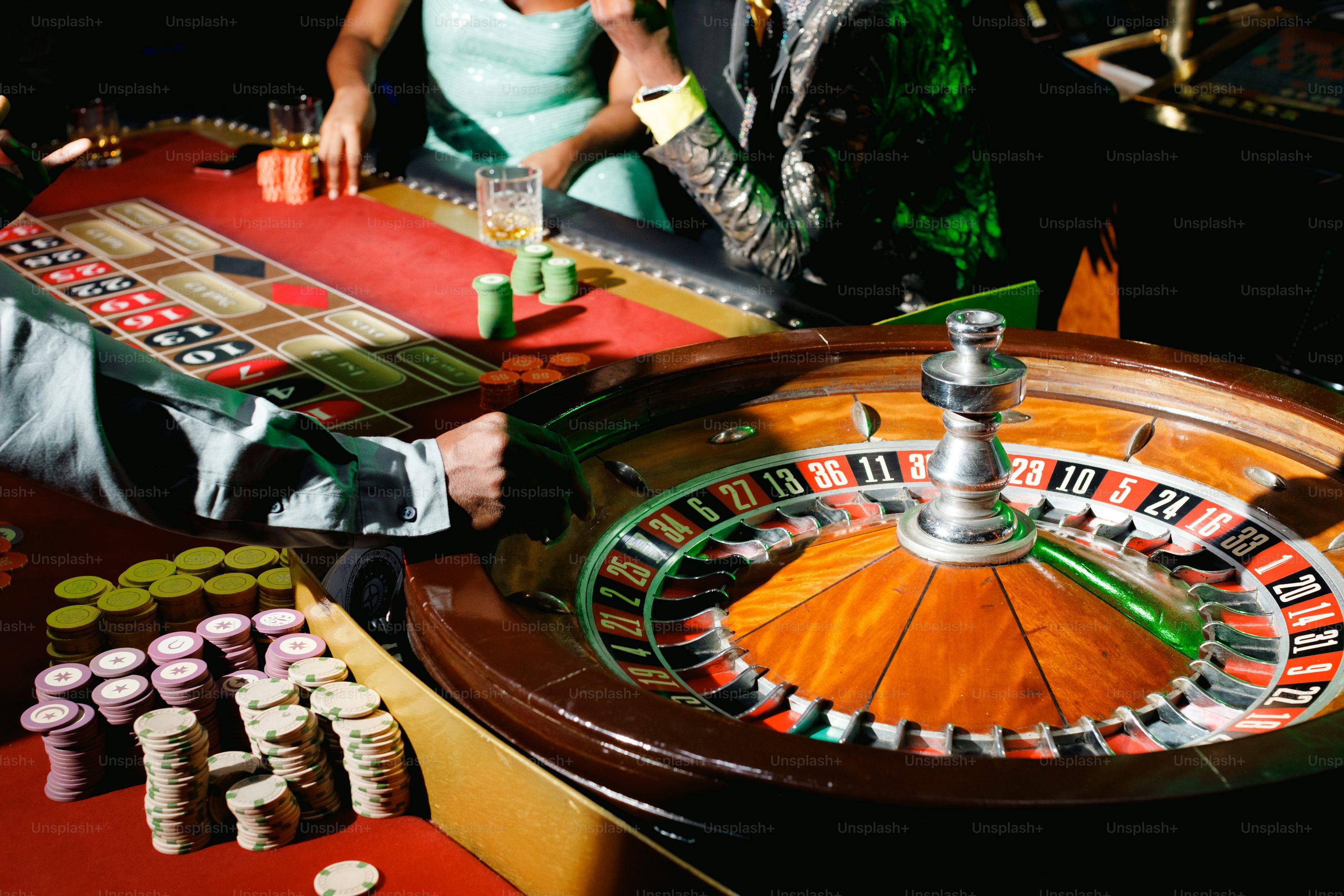
Modern cinema and television have embraced this allure, showcasing iconic gambling scenes that resonate with viewers. Films like “Casino Royale” and series such as “Breaking Bad” use gambling as a metaphor for larger life risks. Characters are often portrayed as high-stakes players, and their decisions in games translate to significant life choices, making the gambling theme relatable. The emotional stakes involved in these scenarios elevate the drama, captivating audiences who are invested in the characters’ outcomes.
The visual representation of gambling also plays a significant role in its allure. Cinematic techniques, from close-ups of poker faces to sweeping shots of bustling casinos, immerse viewers in the experience. These portrayals create a sense of excitement and tension, making the audience feel as if they are part of the action. As gambling themes evolve in storytelling, they continue to reflect societal attitudes toward risk and reward, further enhancing their impact on modern films and television.
Character Archetypes and Their Development
Characters who engage in gambling often embody specific archetypes that enrich the narrative. The “anti-hero” gambler, for example, presents a complex figure driven by personal demons and external pressures. This character is typically flawed yet relatable, allowing audiences to empathize with their struggles. Films like “Rounders” and “The Gambler” showcase such characters, demonstrating their internal conflicts and the consequences of their choices.
On the other hand, the “celebrity gambler” archetype often glamorizes gambling, portraying it as a glamorous lifestyle filled with luxury and power. Characters like those seen in “Ocean’s Eleven” or “Maverick” embody charisma and charm, making them appealing to viewers. This portrayal highlights the seductive nature of gambling, as characters navigate high-stakes games and social dynamics in opulent settings. However, these portrayals can also gloss over the darker realities of addiction and loss, creating a dichotomy that prompts reflection.
As these character archetypes develop, they often serve as reflections of societal attitudes toward gambling. The complexities of their journeys reveal the consequences of their actions, highlighting themes of redemption, failure, and resilience. Through their stories, audiences can explore the multifaceted nature of gambling, leading to a deeper understanding of the characters and their motivations. This nuanced portrayal helps to humanize the gambling experience, transforming it into a vehicle for emotional exploration.
The Role of Cinematic Techniques
Cinematic techniques play a crucial role in shaping the portrayal of gambling in films and television. Directors often employ specific camera angles and editing styles to heighten the tension during gambling scenes. For example, close-ups on players’ expressions, or rapid cuts during pivotal moments, can amplify the sense of urgency. These techniques draw viewers into the emotional landscape of the characters, making the stakes feel real and immediate.
Sound design also significantly contributes to the atmosphere surrounding gambling scenes. The clinking of chips, the shuffle of cards, and the ambient sounds of a casino create an immersive experience. Music can further enhance this ambiance, with tense scores building anticipation and drama. In films like “The Hangover,” the use of humor combined with these elements provides a lighter take on gambling while maintaining a sense of unpredictability, illustrating the diverse approaches to the theme.
Moreover, the visual aesthetics of casinos, from opulent interiors to vibrant neon lights, serve as a backdrop that enhances the gambling narrative. The portrayal of these settings can evoke a sense of wonder, drawing viewers into a world that promises excitement and danger. By combining these cinematic techniques, filmmakers can create unforgettable gambling scenes that not only entertain but also provoke thought about the nature of chance and choice.
The Social Commentary Embedded in Gambling Narratives
Gambling-themed films and television series often carry deeper social commentaries that resonate with contemporary issues. The rise of online gambling and its implications for addiction are frequently explored, reflecting real-world concerns. Shows like “Ozark” and films such as “21” delve into the darker sides of gambling, exposing the consequences of obsession and financial ruin. This critical lens encourages viewers to examine the societal norms surrounding gambling and its perceived glamor.
Furthermore, the portrayal of gambling can also be a commentary on wealth disparity and privilege. Films may contrast the lives of high-stakes gamblers with those of everyday people, highlighting the risks and repercussions of their choices. Such narratives often prompt discussions about morality, ethics, and the impact of gambling on various social strata. By engaging with these themes, filmmakers can spark conversations that extend beyond entertainment.
Through these narratives, audiences can gain insights into the cultural significance of gambling. The choices characters make, and the resulting consequences, mirror societal values and attitudes toward risk, wealth, and success. As gambling continues to be a prominent theme in modern storytelling, its ability to reflect and challenge societal norms only enhances its relevance and impact.
Exploring Non GamBlock Casinos and Responsible Gaming
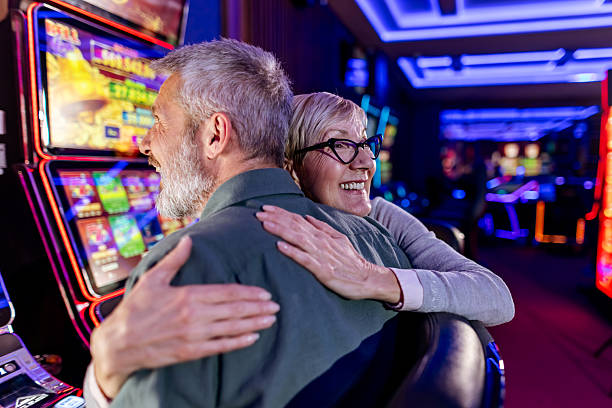
As the popularity of gambling themes in media grows, it is essential to address the significance of responsible gaming. Platforms like non gamblock casinos provide options for players looking to engage in gambling in a safe and controlled manner. These platforms prioritize user safety, ensuring players have access to responsible gaming practices while enjoying their gaming experiences. Through detailed reviews and comparisons, users can make informed decisions that align with their values and preferences.
The representation of gambling in films and television often shapes public perceptions of gambling behavior, making it crucial to promote responsible practices. By highlighting safe gaming options, platforms can counteract the glamorized portrayals found in media. This approach helps cultivate a healthier relationship with gambling, where players are informed about risks and encouraged to seek help if needed.
Ultimately, the interplay between gambling themes in modern storytelling and platforms like non gamblock casinos highlights the importance of responsible gaming. As audiences become more aware of the implications of gambling, the need for safe and enjoyable experiences takes center stage. This ongoing dialogue ensures that the thrill of gambling can coexist with awareness and responsibility, fostering a balanced view of this multifaceted pastime.

Leave A Comment